
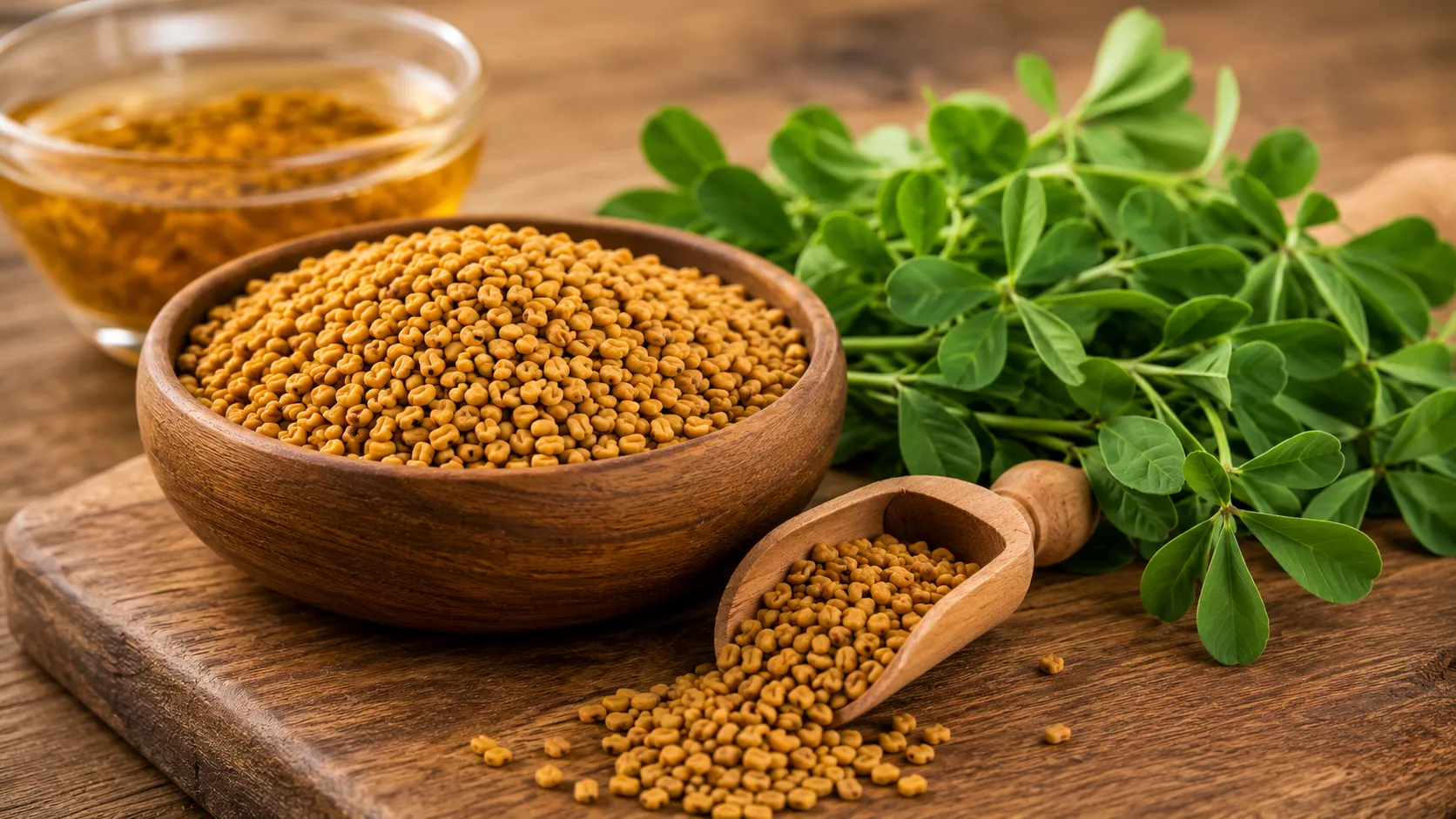
Foenegriek is a traditional herb and spice that many people search for when they want to understand what it is, how it is used, and whether its health benefits are truly worth attention. It is more commonly known as fenegriek in Dutch, fenugreek in English, and methi in South Asian cooking. The botanical name is Trigonella foenum-graecum, a plant from the legume family that produces small leaves, pods, and golden-brown seeds.
Foenegriek is used in two main ways. First, it is a culinary spice found in curries, spice blends, breads, teas, and traditional dishes. Second, it is sold as a supplement in the form of fenugreek capsules, fenugreek powder, fenugreek tea, extracts, and whole seeds. Because of this, people often ask: What is foenegriek good for? Is foenegriek healthy or dangerous? Can it help with digestion, blood sugar, breastfeeding, testosterone, libido, skin, hair, or weight loss?
The honest answer is balanced. Foenegriek has a long history in food and traditional medicine, and it contains useful nutrients and plant compounds. However, not every online claim is strongly proven. This guide explains what foenegriek is, how to use it, what benefits may be possible, what side effects to watch for, and how to choose the right form safely.
What Is Foenegriek?
Foenegriek is a spelling variation of fenegriek, which means fenugreek. It comes from the plant Trigonella foenum-graecum, an annual herb belonging to the Fabaceae family, also known as the legume family. The plant has small green leaves, pale flowers, narrow seed pods, and hard yellow-brown seeds.
The most commonly used part of the plant is the fenugreek seed. These seeds can be used whole, roasted, soaked, ground into powder, brewed as tea, or made into capsules and extracts. The leaves are also used in cooking, especially in Indian and Pakistani dishes, where they are often called methi.
Foenegriek has a strong flavor. It tastes bitter, nutty, earthy, and slightly sweet. Its aroma can remind people of maple syrup or caramel because of natural aromatic compounds found in the seeds. This unique taste makes it valuable in spice blends such as curry powder, garam masala, and many traditional sauces and stews.
In simple words, foenegriek is both a spice and a herbal ingredient. It can add deep flavor to food, but it is also promoted for health purposes such as digestive support, blood sugar balance, cholesterol support, breast milk production, hormonal balance, skin health, and hair growth.
Foenegriek, Fenegriek, Fenugreek, and Methi: Are They the Same?
Yes, in most cases, foenegriek, fenegriek, fenugreek, and methi refer to the same plant. The difference is mostly language and spelling.
Fenegriek is the standard Dutch spelling. Foenegriek is a common search variation that many users type online. Fenugreek is the English name. Methi is the name commonly used in Indian, Pakistani, and South Asian cooking.
This spelling difference matters for SEO because users may search different versions of the same thing. Someone searching “what is foenegriek” likely wants the same answer as someone searching “what is fenugreek”, “fenegriek benefits”, or “methi in English.”
So, the simple explanation is this: foenegriek is the same as fenugreek, and it is most commonly spelled fenegriek in Dutch.
Origin, History, and Traditional Use
Foenegriek has been used for centuries across South Asia, the Mediterranean region, the Middle East, North Africa, and parts of Europe. Historically, it was valued as a food ingredient, a spice, a fodder crop, and a traditional herbal remedy.
In Ayurvedic medicine, fenugreek has been used as a warming herb for digestion, women’s health, and general strength. In Middle Eastern and North African food traditions, it appears in spice mixtures, stews, breads, and herbal preparations. In Indian and Pakistani cuisine, methi is used in dishes such as methi paratha, dal methi, curries, vegetable dishes, and pickles.
In modern kitchens, foenegriek is mostly known as a bold spice. It is often used in small amounts because the flavor is strong. Too much can make a dish taste unpleasantly bitter. When used correctly, however, it adds warmth, depth, and a slightly sweet aroma to savory recipes.
Taste, Smell, and Culinary Identity
The flavor of foenegriek is one of the reasons people either love it or find it difficult at first. The seeds have a bitter and earthy taste, but they also carry a nutty sweetness. The smell is often compared to maple syrup, which makes fenugreek very distinctive.
If you are new to cooking with foenegriek, start with a small amount. A little goes a long way. Whole seeds can be lightly roasted in a dry pan before use. Roasting softens the bitterness and brings out the nutty aroma. However, the seeds should not be burned, because burnt fenugreek becomes harsh and overly bitter.
Foenegriek works well with ingredients such as cumin, coriander, turmeric, chili, garlic, onion, tomato, lemon, and yogurt. It is especially useful in curries, lentil soups, stews, flatbreads, and spice blends.
Nutritional Profile of Foenegriek
Foenegriek seeds contain several nutrients and natural plant compounds. These include fiber, plant-based protein, iron, magnesium, manganese, potassium, calcium, vitamin B6, folate, saponins, flavonoids, trigonelline, diosgenin, and galactomannan.
The high fiber content is one reason fenugreek is often discussed in relation to digestion, fullness, blood sugar, and cholesterol. The plant compounds are also why researchers have studied fenugreek for possible metabolic and hormonal effects.
| Nutrient in 100 g fenugreek seeds | Approximate amount |
| Calories | 323 kcal |
| Protein | 23 g |
| Carbohydrates | 58 g |
| Fiber | 25 g |
| Fat | 6 g |
| Iron | 33 mg |
| Magnesium | 191 mg |
| Vitamin B6 | 0.6 mg |
However, it is important to understand context. Most people do not eat 100 grams of fenugreek seeds in a day. In normal cooking, you may only use a small pinch, half a teaspoon, or one teaspoon. That means the real nutritional contribution per serving is much smaller.
Possible Benefits of Foenegriek
Many people search for foenegriek benefits, but it is important to separate traditional use from strong scientific proof. Foenegriek may offer benefits, but it should not be treated as a cure or replacement for medical care.
Digestive Health
Foenegriek contains soluble fiber and mucilage-like compounds that may support normal bowel movement and digestive comfort. Some people use fenugreek tea or soaked seeds as part of a gentle digestive routine.
Because the seeds absorb water, they may help create a feeling of fullness. This is why fenugreek is sometimes linked with appetite control and weight management. Still, the same fiber that supports digestion can also cause discomfort in some people. Taking too much too quickly may lead to gas, bloating, stomach upset, or mild diarrhea.
Blood Sugar and Metabolism
Foenegriek is often researched for its possible effect on blood sugar and insulin sensitivity. The soluble fiber in the seeds may slow carbohydrate absorption, which can influence post-meal blood sugar response. Some compounds in fenugreek are also studied for possible metabolic effects.
This does not mean foenegriek can cure diabetes. People with type 2 diabetes, prediabetes, or blood sugar problems should be careful, especially if they already use blood sugar-lowering medication. High-dose supplements may increase the risk of low blood sugar in some cases. Anyone using diabetes medication should speak with a doctor or pharmacist before taking fenugreek capsules or extracts.
Cholesterol and Heart Health
Fenugreek is also discussed for cholesterol support, especially because of its fiber and saponin content. Some people use it as part of a heart-conscious diet. The idea is that fiber may support cholesterol management by influencing digestion and bile acid activity.
However, foenegriek should not replace proven heart-health habits. A balanced diet, regular movement, healthy weight, enough sleep, and medical advice are still more important. Foenegriek can be part of a healthy eating pattern, but it is not a complete solution for cholesterol or heart disease.
Breastfeeding and Milk Production
One of the most popular uses of foenegriek is for breast milk production. In traditional use, fenugreek is known as a galactagogue, meaning a substance used to support lactation.
Many breastfeeding mothers search for fenugreek for milk supply or foenegriek for breastfeeding. However, the evidence is mixed, and safety depends on the person, dose, and form used. Breastfeeding challenges can have many causes, including latch issues, feeding frequency, hydration, rest, stress, and medical conditions.
For this reason, anyone considering fenugreek during breastfeeding should speak with a lactation consultant, doctor, or midwife before using capsules, tea blends, or extracts.
Hormones, Testosterone, and Libido
Foenegriek is often promoted online for testosterone, libido, hormonal balance, PMS, menopause symptoms, and women’s health. Some supplements use these claims heavily in marketing.
It is true that fenugreek contains plant compounds such as diosgenin and other phytochemicals. But that does not mean it automatically works as a hormone booster. Claims about testosterone, libido, fertility, PCOS, or menopause should be treated carefully.
A realistic approach is best: foenegriek may be an interesting herb, but it is not a guaranteed solution for hormone-related problems. For ongoing symptoms, professional medical advice is more reliable than relying on a supplement trend.
Skin and Hair
Foenegriek is also used in natural beauty routines. People search for fenugreek for hair growth, fenugreek for dandruff, fenugreek for acne, and fenugreek face mask. The soaked seeds can become gel-like because of their mucilage content, which is why they are sometimes used in hair masks or skin pastes.
Some users believe fenugreek helps soften the scalp, reduce dryness, or support stronger-looking hair. However, topical use can irritate sensitive skin. If you use a fenugreek hair mask or face mask, test a small area first and stop if redness, itching, or burning occurs.
What Is Proven and What Is Exaggerated?
Foenegriek has many traditional uses, but some online claims go too far. It is better to use careful wording instead of presenting it as a miracle herb.
| Claim | Balanced explanation |
| Foenegriek improves digestion | It may support digestion because of fiber, but it can also cause gas or bloating. |
| Foenegriek lowers blood sugar | It may affect blood sugar, but it is not a diabetes treatment. |
| Foenegriek increases breast milk | Traditionally used for lactation, but results are mixed and safety matters. |
| Foenegriek boosts testosterone | Popular claim, but not guaranteed and not a medical solution. |
| Foenegriek causes weight loss | It may support fullness, but it does not burn fat by itself. |
| Foenegriek is always safe because it is natural | False. Natural herbs can still cause side effects or interact with medication. |
A good rule is: use foenegriek as a food ingredient first, and treat supplements with more caution.
How to Use Foenegriek: Seeds, Powder, Tea, Capsules, and Leaves
Foenegriek can be used in several forms, and each form has a different purpose.
Fenugreek seeds are the most traditional form. You can roast them, soak them, crush them, or grind them. Whole seeds work well in curries, pickles, spice blends, and herbal tea.
Fenugreek powder is convenient because it can be added directly to soups, sauces, smoothies, yogurt, spice mixes, or bread dough. The downside is that powder loses aroma faster than whole seeds and can taste bitter if overused.
Fenugreek tea is usually made by steeping crushed or lightly bruised seeds in hot water. The taste is earthy and bitter. It can be part of a simple herbal routine, but it should not be used as a treatment for medical conditions.
Fenugreek capsules are popular because they are easy to take. However, capsules are more concentrated than normal food use. Always read the label, check the dose, and be careful if you are pregnant, breastfeeding, using medication, or managing a health condition.
Fenugreek leaves, often called methi leaves, are used in cooking. They have a different flavor than the seeds and are common in Indian and Pakistani recipes.
Cooking With Foenegriek
Foenegriek can improve the flavor of many savory dishes when used carefully. It is common in Indian cuisine, Pakistani cuisine, Middle Eastern cuisine, North African cuisine, and some European food traditions.
You can use it in curries, lentil soups, vegetable dishes, flatbreads, stews, spice blends, and pickles. It pairs especially well with tomato-based sauces and warming spices.
A simple example is a lentil curry. Heat oil, add cumin and a tiny amount of roasted fenugreek seed, then add onion, garlic, tomato, turmeric, chili, and lentils. The fenugreek adds depth without overpowering the dish. For four servings, start with only ¼ to ½ teaspoon of ground fenugreek or a small pinch of whole seeds.
To reduce bitterness, roast the seeds lightly, use small amounts, and balance the flavor with acidic ingredients like tomato or lemon. Never add too much at the start. It is easier to add more later than to fix a bitter dish.
Side Effects, Risks, and Medication Interactions
Foenegriek is generally used safely in small culinary amounts by many people, but side effects are possible, especially with supplements or large amounts.
Common side effects may include gas, bloating, stomach upset, nausea, or mild diarrhea. Some people may notice a maple syrup-like smell in sweat or urine after using fenugreek.
Allergic reactions are another concern. Because fenugreek belongs to the legume family, people with allergies to peanuts, chickpeas, soy, or other legumes should be cautious. Allergy symptoms may include itching, swelling, rash, breathing difficulty, or digestive reactions.
Medication interaction is especially important for people using diabetes medication. Since fenugreek may affect blood sugar, combining it with blood sugar-lowering drugs could increase the risk of hypoglycemia, or low blood sugar. People using blood thinners, hormone-related medication, or regular prescriptions should speak with a healthcare professional before taking fenugreek supplements.
The key difference is this: a small amount in food is not the same as a high-dose capsule or extract.
Foenegriek During Pregnancy, Breastfeeding, and for Children
Pregnancy, breastfeeding, and childhood require extra caution.
During pregnancy, normal spice-level use in food is different from taking concentrated supplements. High amounts of fenugreek or medicinal preparations are usually not recommended during pregnancy unless a healthcare professional specifically approves them.
During breastfeeding, fenugreek is popular because of milk supply claims. However, milk production is complex. If a mother is struggling with supply, the first step should usually be support from a lactation consultant, midwife, or doctor. Fenugreek may not work for everyone, and it may cause side effects in some mothers or babies.
For children and babies, fenugreek supplements should not be used without professional guidance. Children are more sensitive to herbal preparations, and safe dosing is not always clear.
Foenegriek Buying Guide: Capsules vs Powder vs Seeds vs Tea
If you want to buy foenegriek, choose the form based on your goal. For cooking, whole seeds or powder are usually best. For convenience, capsules may seem easier, but they require more caution.
| Form | Best for | Benefit | Watch out for |
| Fenugreek seeds | Cooking, roasting, tea | Pure and long-lasting | Can taste bitter |
| Fenugreek powder | Curries, soups, spice mixes | Easy to use | Loses aroma faster |
| Fenugreek tea | Herbal routine | Simple preparation | Strength varies |
| Fenugreek capsules | Convenience | Easy to take | Higher supplement risk |
| Methi leaves | Recipes | Authentic flavor | Not always easy to find |
When buying foenegriek, look for a clean ingredient list, realistic claims, good packaging, and a clear expiration date. Avoid products that promise extreme results such as fast fat loss, guaranteed hormone balance, or instant milk production.
You can often find fenugreek in spice shops, South Asian grocery stores, health stores, supermarkets with international sections, drugstores, and online shops.
How to Store Foenegriek
Store fenugreek seeds and fenugreek powder in an airtight container in a cool, dry, and dark place. Whole seeds usually keep their aroma longer than powder. Ground fenugreek can lose flavor more quickly, especially if exposed to heat, air, or moisture.
If the spice smells stale, looks damp, or has lost its strong aroma, it is better to replace it.
Can You Grow Foenegriek?
Yes, foenegriek can be grown at home. It is an annual plant that can grow in a garden bed or pot. It prefers good sunlight, well-draining soil, and moderate watering. Some gardeners grow it for fresh methi leaves, while others allow the plant to produce seed pods.
For most people, growing foenegriek is optional. If your main goal is cooking, buying seeds or powder is much easier. But if you enjoy herbs and kitchen gardening, fenugreek can be a useful plant to try.
Frequently Asked Questions
What is foenegriek?
Foenegriek is another spelling for fenegriek, also known as fenugreek. It is a herb and spice from the plant Trigonella foenum-graecum.
Is foenegriek the same as fenugreek?
Yes. Foenegriek, fenegriek, fenugreek, and methi usually refer to the same plant.
What is foenegriek good for?
Foenegriek is used for cooking, digestion, blood sugar support, breastfeeding claims, cholesterol support, skin, hair, and general wellness. However, not all benefits are strongly proven.
How do you use fenugreek seeds?
You can roast, soak, crush, grind, or brew fenugreek seeds as tea. In cooking, use small amounts because the flavor is strong and bitter.
Is foenegriek healthy or dangerous?
Foenegriek can be healthy as part of normal food use, but supplements may cause side effects or interact with medication. Be careful during pregnancy, breastfeeding, diabetes treatment, allergies, or chronic illness.
Can foenegriek help with breastfeeding?
Fenugreek is traditionally used for milk production, but evidence is mixed. Breastfeeding mothers should speak with a lactation consultant or healthcare professional before using it.
Can you use foenegriek every day?
Small culinary amounts may be fine for many people. Daily capsules or high-dose extracts require more caution.
Where can you buy foenegriek?
You can buy foenegriek as seeds, powder, tea, capsules, or leaves from spice shops, health stores, South Asian grocery stores, drugstores, supermarkets, and online shops.
Conclusion:
Foenegriek is worth trying if you enjoy deep, warm, slightly bitter flavors and want to explore traditional spices. It works well in curries, lentils, stews, breads, teas, and spice blends. As a food ingredient, it can add both flavor and useful nutrients.
As a supplement, however, foenegriek should be used carefully. Some benefits are promising, but many claims are exaggerated or not fully proven. It is not a miracle cure for hormones, weight loss, diabetes, breastfeeding, libido, or hair growth.
The best approach is to use foenegriek first as a spice and food ingredient, stay realistic about its benefits, and seek professional advice if you are pregnant, breastfeeding, taking medication, managing diabetes, dealing with allergies, or treating a medical condition.
Disclaimer:
This article is for general informational purposes only. Individual results, preferences, health needs, and personal situations may vary. Always use your own judgment and consult a qualified professional when needed.