
Introduction
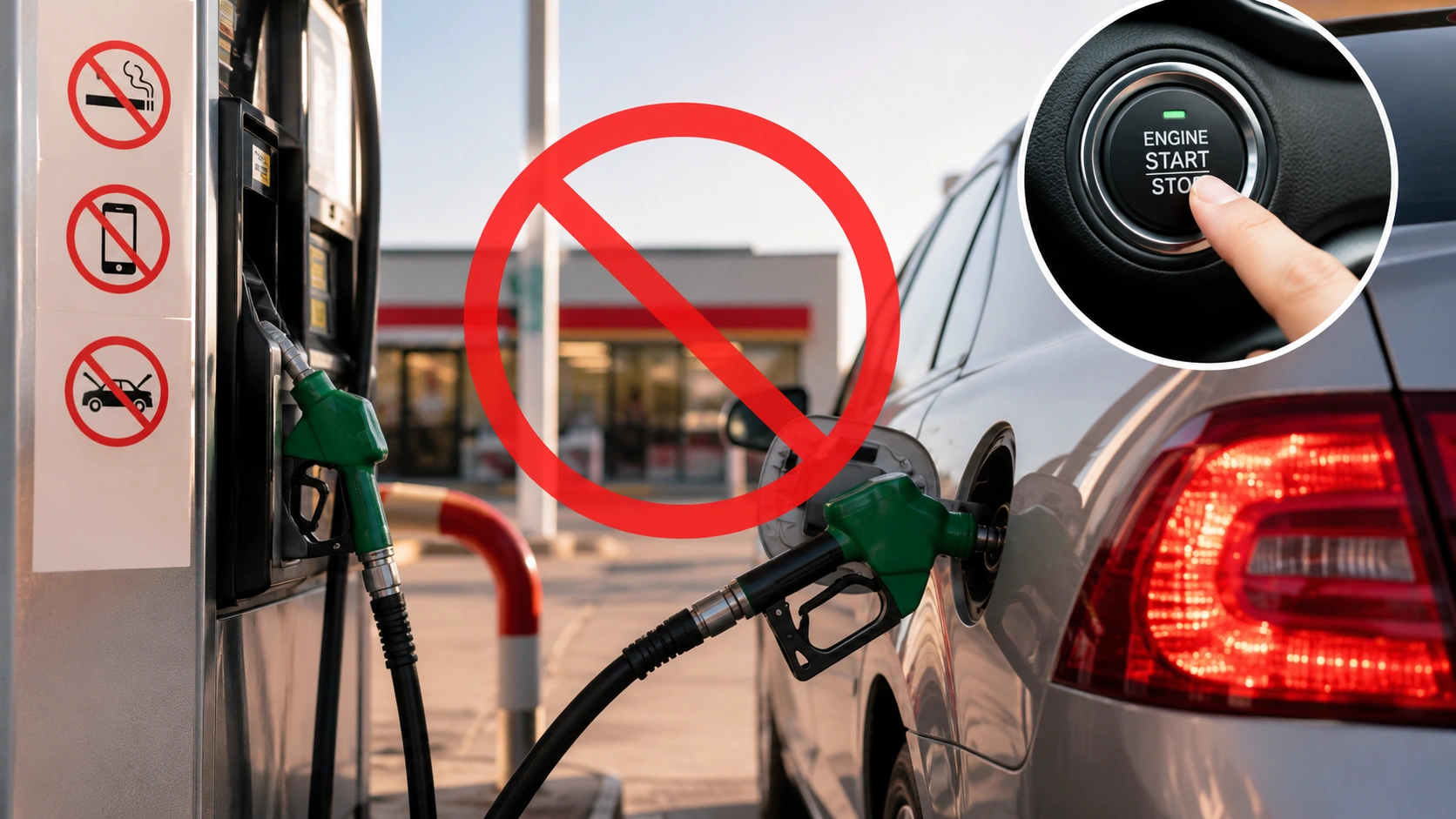
Can you pump gas with the car on? No — you should not pump gas with the car on, even if it seems harmless and even if some drivers do it without any immediate problem. Leaving a running engine on while refueling increases the chance of trouble around gasoline vapors, static electricity, and other possible ignition sources. The risk is not that your car will suddenly explode every time you stop at a gas station. The real issue is that fuel vapors are highly flammable, and even a low-probability mistake can become a serious flash fire or fire risk.
This is why you see warning signs in gas stations telling drivers to shut off the engine before using the gas pump. It is a simple safety step, much like not smoking, not vaping, and not ignoring basic refueling safety. Many people ask, is it bad to put gas in a running car, what happens if you pump gas with the car on, or why are we told to shut the car off before fueling. The short answer is that it is both unsafe and unnecessary.
In this guide, you will learn why pumping gas with the engine running is discouraged, whether it can affect vehicle health, what to do if you already did it, and the smartest habits for safe refueling every time.
Can You Pump Gas With the Car On? The Short Answer
The direct answer is simple: you should not pump gas with your car on. Yes, it is physically possible to do it. Yes, many people have done it and driven away without a problem. But possible and safe are not the same thing.
When people search can you put gas in a running car or can you refuel a vehicle while the motor is running, they usually want to know whether there is a real danger or just an outdated rule. It is a real safety rule. Gas stations ask drivers to turn off the engine because the combination of gasoline, air, and a possible spark creates an avoidable hazard. Even though the odds of a major incident may be low, the consequences can be severe.
So, is it dangerous to pump gas with the engine running? It can be. The biggest concern is not that the engine itself always causes a fire. The bigger issue is that a running vehicle adds heat and electrical activity in an area where gas fumes, gasoline vapors, and vaporous gasoline may be present. That is exactly the kind of environment where safety rules matter most.
If you want the best takeaway in one sentence, it is this: turn off the engine, remove the distraction, and fuel up safely.
Why Is It Dangerous to Pump Gas With the Engine Running?
To understand why it is safer to turn the car off, it helps to know what is happening around the pump. When you insert the pump nozzle into the fuel tank and start refueling, small amounts of gas vapors and gasoline vapors can escape. Those vapors are the real concern, because gasoline is a highly flammable substance.
A fire needs three things: fuel, oxygen, and an ignition source. At a service station, the fuel and air are already present. The goal is to reduce every unnecessary chance of ignition. That is why drivers are told to avoid smoking, vaping, and careless behavior while fueling up.
A running car does not guarantee that a fire will start, but it does create more opportunities for trouble. There is engine heat, moving electrical components, and a general increase in potential ignition hazards. If someone asks, can a running car ignite gasoline vapors, the honest answer is that the risk exists, which is enough reason not to test it.
This is also why so many articles about pumping gas with the engine running focus on fire risk, explosion risk, and refueling hazards. The rule exists to remove a danger that serves no useful purpose. Since turning off the engine takes only a second, there is little reason to leave it on.
Gasoline Vapors and Ignition Sources
A lot of drivers think the liquid gasoline is the only problem. In reality, the bigger issue is often the invisible cloud of flammable vapors that can collect near the filler neck during refueling. If those vapors meet a spark discharge or another ignition hazard, you can get a flash fire.
That is why the phrase can a spark ignite gas fumes from the fuel tank matters so much. The answer is yes — under the wrong circumstances, vapors can ignite. This is also why fuel spills are dangerous. The vapors coming off spilled gasoline are just as important as the liquid itself.
Static Electricity vs. Engine Heat: What’s the Bigger Risk?
Many people assume the running engine is the only danger, but static electricity is often a major part of the conversation. In fact, when people ask how does static electricity start a flash fire at the pump, they are asking one of the most useful questions in gas station safety.
Static buildup can happen when you slide in and out of your seat, especially on dry days or in colder weather. When you touch the gas pump or the area near the nozzle afterward, that static charge can release as a tiny spark. Around gasoline vapors, that small spark can be enough to cause trouble.
So which is the bigger risk: static electricity vs engine spark? In real-world safety discussions, both matter, but static is often overlooked by everyday drivers. That is why many safety reminders tell you to discharge static electricity by touching a metal part of the car away from the filler area before grabbing the nozzle. If you have ever wondered, is the risk from the engine or from static electricity, the best answer is that both are avoidable concerns — and turning the car off is still the right first move.
What Happens If You Accidentally Pump Gas With the Car On?
This is one of the most common fears people have after the fact. They realize halfway through fueling that the car is still running, then immediately worry they have damaged the vehicle or created a disaster.
If you accidentally pumped gas with the car on and nothing unusual happened, the most likely outcome is that nothing immediate will happen. In most cases, there is no instant fire, no dramatic warning light, and no sudden breakdown. But that does not make it safe. It simply means the worst-case scenario did not happen this time.
So, what happens if you pump gas with the car on? Usually, you finish fueling and move on. The real takeaway is not panic — it is correction. If you notice the engine is still running, the safest move is to stop what you are doing carefully, follow the station’s posted instructions, and turn the engine off before continuing. That is the sensible answer to should you stop pumping immediately if the engine is on.
Think of it like forgetting to buckle a helmet for a short ride. You may reach your destination without injury, but that does not mean the choice was wise. The same logic applies here. If it happened once, learn from it and make safe refueling part of your routine.
Can Pumping Gas With the Car On Damage Your Vehicle?
Most of the discussion around this topic is about safety, but some drivers also want to know whether it can affect vehicle health. That question is fair, because modern cars use sensors and sealed systems that monitor fuel and emissions very closely.
In many cases, pumping gas with the car on will not directly destroy anything. But it can create complications. Some vehicles may become more likely to trigger check engine light alerts or confuse parts of the onboard diagnostic system if fueling habits are inconsistent or if the fuel system is interrupted in odd ways. That is one reason some people ask, can a running engine cause unnecessary check engine light alerts or will pumping gas with the car on trigger a check engine light.
There is also a broader vehicle-use issue. Keeping the engine idling while you fill up wastes fuel, increases emissions, and adds unnecessary wear over time. If your car burns 0.5 to 1 gallon of fuel per hour while idling, then even short periods of unnecessary idling add up, especially over months and years. That ties directly into fuel efficiency, maintenance costs, and long-term vehicle health.
Could it damage the EVAP system? It is not the most common outcome, but concerns about the fuel system, vapor management, and sensor behavior are part of why people ask can pumping gas with the engine on damage the EVAP system. Even when there is no direct failure, leaving the car on serves no benefit while increasing risk.
Here is a simple comparison:
| Issue | Possible effect of pumping gas with car on |
| Safety | Increased fire risk around gasoline vapors |
| Fuel efficiency | Wasted fuel from unnecessary idling engine time |
| Emissions | More carbon monoxide, nitrogen oxides, and hydrocarbons released |
| Vehicle systems | Possible sensor confusion or check engine light concerns |
| Maintenance | Small but avoidable extra wear on components like the alternator, starter, and related systems |
The table makes the bigger point clear: even if the main issue is safety, there are still solid reasons not to make this a habit.
Is It Illegal to Pump Gas With the Car On?
This is where many articles stay vague, but readers care about it. People do not just want to know whether something is unwise. They want to know, is it illegal to pump gas with the car on?
The answer depends on where you are. In some places, it may be written into local rules, workplace safety procedures, or station policies. In other places, it may not be clearly enforced as a stand-alone law, but it is still against posted safety instructions. That is why gas station rules by state or local policy can matter.
Even when a ticket or fine is uncommon, the presence of warning signs at the pump is important. If the station says to turn off the engine, that is the rule you should follow. So if you are asking, is it against gas station policy to leave your car running, the answer is often yes.
This is one of the clearest gap topics because people often assume the issue is just tradition. It is not. It is a safety rule based on real hazard reduction. Whether there is an official fine for pumping gas with the engine running may vary, but the smart move does not change: turn the engine off before fueling.
Best Practices for Safe Refueling
The good news is that gas station safety is mostly about simple habits. You do not need special tools or expert training. You just need to follow a few reliable steps every time you stop to refuel.
A strong gas station safety checklist looks like this:
- Turn off the engine before opening the fuel door.
- Do not smoke or vape near the pump.
- Stay near the nozzle while fueling.
- Avoid topping off the tank.
- Discharge static electricity before touching the nozzle if needed.
- Follow all posted warning signs at the station.
Those steps answer the common question, what else should I avoid when pumping gas. They also support broader refueling safety and reduce the chance of avoidable mistakes.
Should You Get Back Into the Car While Fueling?
This is another smart safety question. Should you get back into your car while pumping gas? It is better not to unless necessary. Moving in and out of the seat can increase static buildup, especially in dry conditions. If you do get back in, touch a metal part of the vehicle away from the filler opening before handling the nozzle again.
Can Using Your Phone at the Pump Cause a Fire?
This question comes up often because it is wrapped in a lot of myth. Can using your phone at a gas pump cause a fire? The bigger concern at the pump is usually static discharge, not everyday phone use by itself. Still, keeping the phone away is wise because it reduces distraction. The best refueling habit is attention, not multitasking.
Does Weather or Season Make Refueling Riskier?
Yes, conditions can matter. Pumping gas in cold weather static risk is a real concern because colder, drier air can make static electricity more likely. That does not mean hot weather is safe to ignore, but cold, dry conditions are especially relevant when thinking about static buildup.
One notable numeric reference tied to cold conditions is -9.4 degrees Fahrenheit, which appears in discussion of extreme cold-related fueling context. The exact number matters less than the principle: the drier the air and the more friction you create by moving around in the seat, the higher the chance of a spark discharge.
This section gives your article topical depth because many competitors mention static but do not clearly explain seasonal risk. So if someone asks, does weather or season make refueling riskier, the answer is yes — particularly when conditions support more static buildup.
Does It Matter if the Vehicle Uses Gas, Diesel, Hybrid, or Push-Button Start?
This is where modern driving habits create confusion. People ask, can you pump diesel with the engine running, can hybrid cars idle while refueling, or can you pump gas in a push start car while it is on because modern cars feel different from older ones. But the basic rule stays the same.
If the vehicle is being fueled with gasoline, turn it off. If it uses diesel, the risk profile may differ somewhat, but safe fueling practice still means shutting the engine down unless a specific commercial or industrial procedure says otherwise. For personal vehicles, the safest answer remains the same.
Push-button start, remote start, and hybrid systems can make the car feel “sort of off” when it is not fully off. That is exactly why drivers should be careful. If you are wondering, can you pump gas during remote start, do not rely on guesswork. Fully shut the vehicle down before refueling.
This is also true for people asking whether modern cars safely refuel while running. Better technology does not cancel the basic rule of keeping ignition risk as low as possible near flammable vapors.
Common Myths About Pumping Gas With the Car On
This topic survives because people hear half-true stories. So let’s clear up a few myths.
Myth 1: “If nothing happened before, it must be safe.”
Wrong. Low-frequency danger is still danger. That is why why fueling incidents are low probability but high consequence is such an important idea.
Myth 2: “The engine is the only thing that matters.”
Not true. Static electricity can be just as important as engine heat in a fueling accident.
Myth 3: “Modern vehicles make the rule outdated.”
No. Even with improved engineering, gasoline vapors are still flammable, and warning signs still exist for a reason.
Myth 4: “Keeping the AC on changes everything.”
It does not. If you are asking, does pumping gas with AC on make a difference, the safest answer is still to turn the whole vehicle off.
A short quote-style takeaway fits well here:
Safe refueling is not about fear. It is about removing risk you do not need to take.
That mindset is simple, practical, and easy for readers to remember.
A Quick Case Study: The “Nothing Happened” Mistake
Imagine a driver stops on a hot afternoon, leaves the engine running for the air conditioning, and begins fueling. They finish, get back in, and drive away. No warning light appears. No fire starts. No obvious problem follows.
From the driver’s point of view, it may feel like proof that the rule is overblown. But that is the wrong lesson. The truth is that most unsafe choices do not cause immediate disaster every time. That does not make them safe. It only means the dangerous conditions did not line up on that particular occasion.
That is the best way to answer readers searching what happens if you accidentally pump gas with the car on. The lesson is not panic. The lesson is to avoid repeating a risky habit just because you got away with it once.
FAQ
Can you pump gas with the engine on for just a minute?
You should not. Even a short fueling stop can expose gasoline vapors to an unnecessary ignition source.
Can you pump gas while your car is idling?
No. Can you pump gas while your car is idling is just another version of the same question. If the engine is running, turn it off first.
Can passengers stay in the car while gas is pumping?
It is better to keep movement around the vehicle limited. If passengers move in and out, that can increase static buildup.
Should you remove the keys before pumping gas?
It is a good idea to fully shut the vehicle down so there is no confusion about whether the engine or electrical systems are still active.
How long should you wait after turning the car off before pumping gas?
In normal everyday refueling, once the vehicle is fully off, you can proceed. The important part is making sure it is actually shut down.
Can pumping gas with the car on cause a fire immediately?
It can, but not every time. That is why the rule matters: it lowers a risk with potentially serious consequences.
Final Words: Always Turn the Engine Off Before Refueling
So, can you pump gas with the car on? No — you should not. The safest, simplest, and most responsible choice is to turn off the engine before refueling. That reduces fire risk, limits avoidable ignition hazards, and supports better gas station safety overall.
If you already did it once and nothing happened, do not panic. Just do it differently next time. The reason drivers are told to shut the car off is not because gas stations want to be difficult. It is because gasoline vapors, static electricity, engine heat, and distraction all create risks that are easy to avoid.
Good driving habits are often small habits. This is one of them. Turn off the engine, stay alert, follow the warning signs, and treat every stop at the pump like the simple safety task it is. That is the smartest answer to can you put gas in a running car, and it is the one readers should remember.
Disclaimer: This article is for general safety and informational purposes only. Practices and regulations may vary by location and situation. Always follow local laws, posted guidelines, and manufacturer instructions when refueling.