
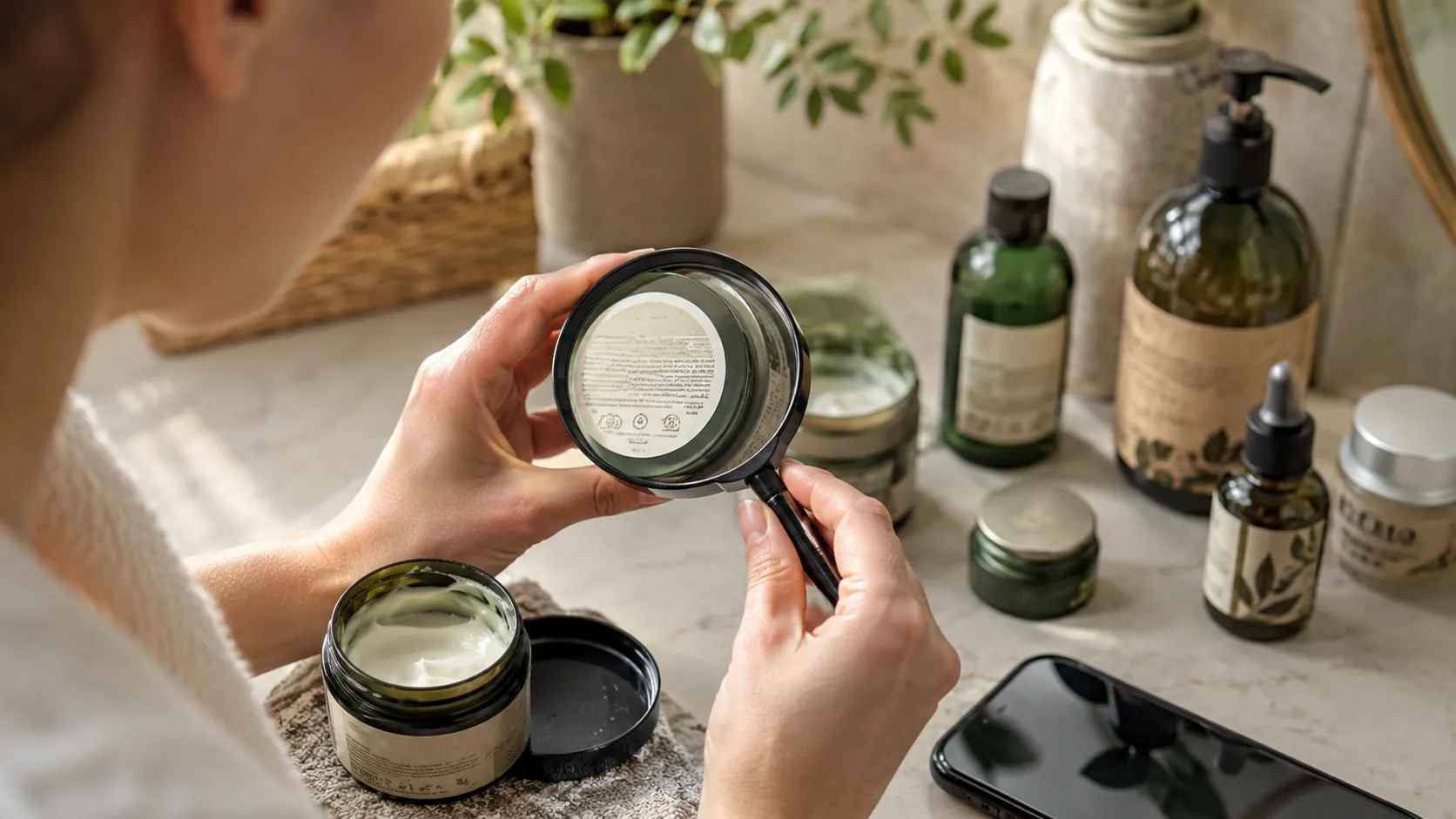
How to check expiry date of The Body Shop products is something many shoppers wonder about because these products do not always come with a simple printed expiry date like food or medicine. Instead, you usually need to look at a few important details, such as the PAO symbol, batch code, possible manufacturing date, product condition, and how the item has been stored.
This is especially helpful for products like body butters, lotions, face creams, serums, shower gels, and fragrances, where freshness can affect the smell, texture, performance, and overall safety of use. A product may still look fine at first, but if it has been opened for too long, stored in heat, exposed to sunlight, or contaminated by water or unclean hands, its quality can change faster than expected.
The good news is that checking The Body Shop expiry date is not difficult once you know what to look for. By understanding the The Body Shop product shelf life, reading the open-jar symbol correctly, checking the batch number, and noticing changes in smell, color, or texture, you can make a safer and more confident decision before using any product. This guide will explain the process in a simple, practical way so you can handle your skincare expiry date and body care expiry check without confusion.
Check the PAO Symbol First: The Open-Jar Icon on The Body Shop Products
The first thing to check on The Body Shop packaging is the PAO symbol, also called the open jar symbol. PAO stands for Period After Opening, and it tells you how long the product is generally recommended to be used after it has been opened. This symbol usually looks like a small open jar with a number inside or beside it, such as 6M, 12M, or 24M.
For example, if you see a 12M symbol, it means the product is usually best used within 12 months after opening. A 6M symbol means it should generally be used within 6 months after opening, while 24M means around 24 months after opening. This does not mean the product expires 12 months after you buy it. The countdown normally begins when you first open the product and expose it to air, hands, moisture, or regular use.
This is one of the most reliable things a regular customer can check directly on the packaging because it is printed by the brand and gives clear guidance for cosmetic shelf life after opening. The Body Shop also advises that opened products should generally be used within the recommended period shown on the packaging, so the The Body Shop open jar icon is an important detail to notice before applying any product to your skin.
A simple expert-style habit is to write the opening date on the bottle, jar, tube, or outer box with a marker. This is especially useful for products you use slowly, such as body butters, face masks, serums, scrubs, or fragrances. For example, if you open a product in March and the label says 12M, writing “Opened: March 2026” can help you remember when it should ideally be finished. This small step makes it much easier to track the period after opening and avoid guessing later.
Find the Batch Code on The Body Shop Product Packaging
After checking the PAO symbol, the next step is to look for The Body Shop batch code on the product packaging. A batch code is a small code used to identify when and where a product was made. It can help trace the manufacturing code, production batch, or product age, but it is not the same as a barcode, price code, item number, or product reference number.
Many people confuse the cosmetic batch code with the long barcode number printed near the label. A barcode is usually a longer number used for scanning the product at checkout, while a batch code is often shorter and may include a mix of letters and numbers. It can be printed in black ink, stamped into the packaging, embossed into the plastic, or placed in a less obvious spot.
You may find The Body Shop lot number or batch code in several places, depending on the product type. Common batch code locations include the bottom of a bottle, the back label, the tube crimp, the base of a jar, the bottle base, the box flap, or near the barcode area. On tubes, it may appear along the sealed edge. On jars, it may be printed underneath or around the base. On boxed products, it may be easier to spot on the outer carton than on the actual container.
A helpful tip is to check both the outer box and the actual product container before assuming there is no code. Sometimes the skincare batch number is clearer on the box, while other times it is easier to see on the bottle, tube, or jar. If the product has been used for a while, the printed code may fade, so checking it early and keeping the box for reference can be useful.
Once you find the batch code, you can use it as part of your freshness check. It may help estimate the product’s manufacturing date, but it should be considered together with the PAO symbol, opening date, smell, texture, color, and storage condition. This gives you a more accurate idea of whether the product is still suitable to use.
Use a Batch Code Checker to Estimate the Manufacturing Date
Once you find the batch code, you can use The Body Shop batch code checker or a trusted cosmetic calculator to estimate when the product may have been made. These tools are often designed to help users check cosmetics production date by entering the batch code printed on the packaging. In many cases, they can give an estimated manufacturing date or show the possible The Body Shop product age.
However, it is important to understand that a batch code decoder is a helpful guide, not an official expiry guarantee. These third-party tools may use available brand patterns, past batch information, and cosmetic production code formats, but they are not always connected directly to the brand’s internal system. That means the result can sometimes be incomplete, outdated, or inaccurate if the product code format has changed.
Many pages ranking for this topic mainly work as batch-code checking tools, but checking the code alone is not enough. A strong and safe expiry check should also consider the PAO symbol, the product’s packaging label, whether it has been opened, how it was stored, the type of product, and whether there are any visible signs of spoilage. For example, a product may appear “within date” based on the batch code, but if it has been stored in a hot bathroom, left open, or exposed to sunlight, its quality may still decline faster.
For a more reliable answer, use the manufacturing date checker result together with other clues. Check the period after opening symbol, remember your purchase source, review the product condition, and look for changes in smell, color, texture, or separation. If the product was bought from an official store or trusted retailer and has been stored properly, the batch code result can be more useful. If it came from an unknown seller, old stock clearance, or a marketplace listing, you should be more cautious.
In short, a batch code checker can help you estimate product freshness, but it should not be the only thing you rely on. The safest approach is to combine the batch code result with the packaging information, PAO guidance, storage history, and your own careful inspection of the product.
Understand Unopened vs Opened Shelf Life
It is important to understand the difference between unopened skincare shelf life and opened product expiry. A sealed product may stay fresh for longer because it has not yet been exposed to air, moisture, fingers, bathroom humidity, or daily use. Once the product is opened, the use after opening date becomes more important because the formula can slowly change over time.
Here is a simple way to understand it:
| Product Status | What to Check | What It Means |
| Unopened product | Batch code, manufacturing date, brand guidance | Helps estimate freshness before first use |
| Opened product | PAO symbol, opening date, smell, texture, color | Shows how long it should be used after opening |
For The Body Shop unopened products, shelf-life guidance can vary slightly by market, formula, and packaging. The Body Shop’s current help page says most unopened products typically have a shelf life of around 42 months from the manufacturing date when stored properly. The Body Shop Pakistan FAQ says its products have a shelf life of three years when unopened, and once opened, the shelf life varies based on the open-jar symbol shown on the packaging.
This means you should not judge every product by one rule only. A sealed body butter, shower gel, fragrance mist, face cream, or serum may have a different cosmetic shelf life depending on its ingredients, container, and storage conditions. Heat, sunlight, and humidity can also affect product freshness, even before the product is opened.
Once a product has been opened, the PAO symbol becomes the most useful guide. For example, if the packaging shows 12M, the product is generally meant to be used within 12 months after opening. You should still check the smell, texture, color, and overall condition before use. If the product looks separated, smells strange, feels unusually sticky, watery, grainy, or causes irritation, it is safer to stop using it even if the PAO period has not fully passed.
Check Product Type: Body Butter, Fragrance, Skincare, Haircare, and Makeup May Age Differently
Not every The Body Shop product expires or changes in the same way. A body butter, face serum, perfume, shampoo, and mascara all have different formulas, packaging styles, and usage habits. That means The Body Shop body butter expiry may be easier to notice through smell or texture, while The Body Shop perfume expiry may show up as a weaker scent or a fragrance that smells slightly different from when it was new.
For body butters and lotions, check the PAO symbol, smell, texture, and separation. If a body butter smells sour, looks oily on top, feels grainy, or has changed from its original creamy texture, it may no longer be fresh. Lotions can also become watery, unusually thick, or separated when they are old or stored badly.
For face creams and serums, be more careful because these products are used directly on facial skin. The Body Shop skincare expiry can sometimes be noticed through changes in color, scent, thickness, or consistency. If a serum has turned cloudy, smells unusual, feels sticky in a different way, or no longer spreads normally, it is better not to use it on your face.
Products such as tea tree, vitamin C, and other active-style skincare items need extra attention. These formulas may still look normal, but their freshness can affect how pleasant or effective they feel on the skin. For example, vitamin C products are often more sensitive to air, heat, and light, so freshness matters. This is why checking The Body Shop serum shelf life, storage condition, and PAO symbol is important before using older skincare.
For fragrances and body mists, expiry signs may be more about scent quality than texture. A body mist or perfume may lose strength over time, smell flatter, or develop a sharper note if it has been exposed to heat, sunlight, or age. If the fragrance smells very different from how it used to, the product may have changed even if the bottle still looks fine.
For makeup, especially mascara, eyeliner, or anything used near the eyes, caution is important. The Body Shop makeup expiry should not be ignored because eye-area products can collect bacteria more easily during daily use. If mascara becomes dry, clumpy, smells odd, or causes eye irritation, it should be replaced rather than revived with water or other liquids.
For haircare, such as shampoo, conditioner, masks, or styling products, check for separation, strange smell, unusual thickness, or a change in how the product pours or lathers. The Body Shop haircare expiry may not always be obvious from the label alone, so the product’s condition and storage history matter too. A shampoo or conditioner that smells off, looks separated, or feels different from normal should not be used on the scalp.
Look for Warning Signs That a Product Has Gone Bad
Even if the PAO date has not passed, a product can still go bad earlier than expected. This can happen when cosmetics are exposed to heat, sunlight, moisture, air, or contamination. For example, a body butter kept in a hot room, a face cream stored in a humid bathroom, or a jar product used with unclean hands may lose freshness faster than a product stored carefully.
The FDA also explains that cosmetics may deteriorate before their expected expiry date if they are not stored properly. This is why checking the label is helpful, but it should not be the only step. You should also look at the product’s smell, color, texture, and how it feels during use.
Common expired skincare signs include an unusual or sour smell, a noticeable color change, or watery separation in the formula. Some products may become grainy, sticky, runny, or unusually thick. If a cream, lotion, or serum looks cloudy, has spots, shows mold, or no longer feels like it did when you first bought it, these can be signs of skincare gone bad.
You should also pay attention to how your skin reacts. If a product causes burning, itching, redness, stinging, or irritation, stop using it right away. This is especially important with an expired face cream, old serum, eye product, lip product, or expired body lotion used on sensitive skin. A product that no longer performs normally, such as a lotion that does not absorb well or a cleanser that smells strange, may also be past its best condition.
A good expert-style rule is simple: when in doubt, do not “test” questionable products on sensitive areas like the face, eyes, lips, or broken skin. If you notice a bad cosmetic smell, major product texture change, or any sign of cosmetic contamination, it is safer to throw the product away than risk skin irritation or discomfort.
Store The Body Shop Products Properly to Protect Shelf Life
Storage can affect product freshness just as much as the printed date, batch code, or PAO symbol. Even a product that is still within its expected shelf life can change faster if it is kept in the wrong conditions. Heat, sunlight, humidity, and contamination can all affect the smell, texture, color, and performance of skincare, body care, haircare, fragrance, and makeup products.
The Body Shop generally recommends keeping products in a cool, dry place, away from direct sunlight and extreme temperatures. This is important because warm or damp environments can make formulas break down more quickly. For example, a body butter stored near a sunny window may become oily or separated, while a face cream kept in a humid bathroom may be exposed to moisture every day.
To extend skincare shelf life and keep cosmetics fresh, always close lids tightly after use. This helps reduce air exposure and lowers the chance of dust, water, or bacteria getting into the product. Avoid leaving products open while showering, applying makeup, or getting ready, especially if they are jar-based formulas.
A few simple cosmetic storage tips can make a big difference. Do not store products in hot cars, near heaters, on sunny windowsills, or in very humid bathrooms. If you need to store body butter, creams, serums, or masks, choose a drawer, cabinet, vanity shelf, or another dry place where the temperature stays fairly stable.
For jar products, try to use clean hands or a small spatula instead of dipping in with wet or dirty fingers. This helps avoid product contamination, especially with body butters, face masks, creams, and scrubs. Never add water to a product to thin it out or “refresh” it, because this can disturb the formula and increase the chance of contamination.
You should also avoid sharing eye or lip products, such as mascara, eyeliner, lip balm, or lip color. These areas are more sensitive, and shared products can transfer bacteria more easily. If an eye or lip product smells strange, changes texture, or causes irritation, it is safer to stop using it.
Another useful habit is to keep the original box if it contains the batch code, PAO symbol, or other product information. Sometimes the outer packaging has details that are harder to find on the actual bottle, tube, or jar.
A simple personal tip is to place an “opened on” sticker on products you use slowly. This works especially well for body butters, serums, face masks, scrubs, and seasonal products that may sit unused for months. If you open a product in January and the label says 12M, writing the date clearly helps you remember when it is time to replace it instead of guessing later.
Be Extra Careful With Products Used on Babies, Sensitive Skin, Face, Eyes, or Broken Skin
If you are checking old or partly used products at home, be extra careful when they may be used around babies, children, sensitive skin, the face, eyes, lips, or broken skin. Some adults buy body care and skincare products for general family use, but older products should be checked more closely before anyone with delicate or reactive skin uses them.
This does not mean every The Body Shop product is suitable for babies or toddlers. Always read the product label first and choose child-specific products when needed. Babies and young children have more delicate skin than adults, so it is better to avoid using old, strongly scented, expired, or questionable products on them. If you are unsure, ask a pediatrician, pharmacist, or dermatologist before applying anything.
People with sensitive skin, eczema-prone skin, allergies, pregnancy-related skin changes, or known skin conditions should also be more cautious. Expired skincare sensitive skin reactions can include redness, itching, burning, dryness, bumps, or discomfort. Even a product that once worked well may cause cosmetic irritation if its formula has changed over time.
The same care applies to products used near the eyes and lips. These areas are more delicate, and eye or lip products can become contaminated during regular use. If a product smells off, looks separated, feels different, or causes any kind of old skincare reaction, stop using it rather than trying to finish the bottle or jar.
For better product safety for family, check the PAO symbol, opening date, storage condition, smell, texture, and color before use. When choosing skincare for sensitive skin or safe body care products for children, babies, pregnancy, allergies, eczema, or irritated skin, the safest option is to use fresh, properly stored products that match the person’s skin needs.
What to Do If You Cannot Find the Expiry Date or Batch Code
Sometimes you may cannot find expiry date details clearly on The Body Shop product packaging. This is common with cosmetics because many products do not show a simple printed expiry date. Instead, they may show a batch code, PAO symbol, or other cosmetic label symbols that help you understand product freshness.
If there is no expiry date on cosmetic product packaging, follow a clear step-by-step check before using it.
First, check the outer box if you still have it. Many products include important information on the carton, including the batch code, PAO symbol, product details, or storage instructions. If you throw the box away too early, you may lose useful label information.
Next, inspect the actual product container carefully. Look at the base, back label, tube crimp, pump area, cap, bottle bottom, jar base, or near the barcode. A missing batch code may not actually be missing; it may simply be printed in a small font, lightly stamped, embossed into the packaging, or placed in an area that is easy to overlook.
After that, look for the PAO/open-jar symbol. This symbol is often more useful than a printed expiry date once the product has been opened. If it says 6M, 12M, or 24M, it tells you the recommended use period after opening.
You can also check your purchase date, online order confirmation, receipt, or email invoice. This will not give you the exact manufacturing date, but it can help you remember how long the product has been in your home. If you bought it a long time ago and cannot remember when you opened it, it is better to be cautious.
If you do find a batch code later, use it only as a freshness estimate. A batch code checker may help estimate the manufacturing date, but it should not replace the product label, PAO symbol, storage history, or product condition.
If you are still unsure, contact The Body Shop customer support or the retailer where you bought the product. Share the product name, batch code if available, purchase date, and clear photos of the packaging. They may be able to guide you better based on the specific product.
Most importantly, avoid using the product if it looks, smells, or feels wrong. If the color has changed, the texture is separated, the scent is sour, or the product causes irritation, do not keep using it just because you cannot find the date. A careful check product label routine helps, but your senses and skin reaction also matter when deciding whether a product is still safe to use.
Conclusion: The Safest Way to Check The Body Shop Product Expiry
How to check expiry date of The Body Shop products comes down to looking at more than one detail. Since many cosmetics do not show a simple printed expiry date, the safest approach is to check the PAO symbol, find the batch code, estimate the manufacturing date when possible, and inspect the product’s smell, texture, color, and storage history.
A proper The Body Shop product expiry check is not only about the date on the label. It is also about cosmetic freshness, product condition, and safe use. A cream, body butter, serum, fragrance, or haircare product may change faster if it has been exposed to heat, sunlight, moisture, air, or unclean hands. That is why good storage habits and regular checks matter.
For better skincare safety, always follow the open-jar guidance, use products within the recommended time after opening, and avoid applying anything that looks unusual or feels uncomfortable on your skin. If a product looks or smells different, feels irritating, or has been open too long, replacing it is safer than risking your skin.
Quick FAQ About Checking The Body Shop Expiry Dates
How do I check the expiry date of The Body Shop products?
To check the expiry date of The Body Shop products, look at the PAO symbol, find the batch code, estimate the manufacturing date if possible, and check the product’s smell, texture, color, and storage condition. Since many cosmetics do not show a simple printed expiry date, it is best to use all these clues together.
Where is the batch code on The Body Shop products?
The batch code may be printed or stamped on the bottom of the bottle, back label, tube crimp, box flap, jar base, or near the barcode area. It is usually different from the long barcode number, so check carefully for a shorter code made of letters, numbers, or both.
What does 12M mean on The Body Shop packaging?
The 12M meaning skincare label refers to the PAO meaning, or Period After Opening. It usually means the product is best used within 12 months after opening, not 12 months after buying. For example, if you open a product in January and it shows 12M, you should ideally use it before the next January.
Do unopened The Body Shop products expire?
Yes, unopened The Body Shop products still have a shelf life. Current Body Shop help content says many unopened products typically last around 42 months from manufacturing, but this can vary depending on the product type, formula, packaging, market, and storage conditions.
Can I use The Body Shop products after the PAO period?
It is better to avoid using products past the recommended PAO period, especially on the face, eyes, lips, sensitive skin, irritated skin, or children. For better expired skincare safety, do not use a product if it smells strange, changes color, separates, feels different, or causes irritation.
Is a batch code checker always accurate?
No, batch code accuracy is not always guaranteed. A batch code checker can be useful for answering common cosmetic expiry questions, but it should not replace the official product label, PAO symbol, product condition, storage history, purchase source, or support from The Body Shop or the retailer.
Disclaimer
This article is for general informational purposes only and is meant to help readers understand how to check product freshness, PAO symbols, batch codes, and visible signs of expiry. Product shelf life, skin reactions, storage conditions, and individual preferences may vary from person to person. For sensitive skin, children, allergies, pregnancy, or irritation concerns, it is best to check the product label and seek advice from a qualified professional when needed.