
Introduction
Salt Lake City sits at about 4,265 to 4,330 feet above sea level, depending on the exact location and source used. That makes the Salt Lake City elevation noticeably higher than many U.S. cities, especially places closer to sea level.
Because of this altitude above sea level, Salt Lake City is considered a high-elevation city. However, it is still much lower than many nearby Utah ski areas and mountain destinations, where elevations can rise quickly into much higher ranges. This is important for families planning a Utah travel itinerary, especially if they want to spend time both in the city and in the surrounding mountains.
For new parents, the altitude can matter in small but practical ways. The mountain air around the Salt Lake Valley is often dry, and some families may notice changes in hydration, baby comfort, sleep patterns, sun exposure, or energy levels during stroller walks and outdoor activities. If your family trip includes mountain drives, ski areas, or higher-elevation hikes, it helps to understand how the city’s elevation compares with those nearby places.
The good news is that most families visit Salt Lake City without major altitude problems. With simple preparation, such as drinking enough water, using sun protection, taking breaks, and easing into mountain day trips, parents can help make the visit more comfortable for both adults and children.
Salt Lake City Is About 4,265–4,330 Feet Above Sea Level
Salt Lake City is about 4,265 to 4,330 feet above sea level. In meters, that is roughly 1,300 to 1,320 meters. If you are looking for the simplest answer, the Salt Lake City altitude is usually described as being a little over 4,000 feet high.
You may see two common numbers when checking the Salt Lake City height above sea level. Some sources list the city at around 4,265 feet / 1,300 meters, while visitor-focused travel sources often round the number to about 4,330 feet / 1,320 meters. Both figures are commonly used because elevation can vary slightly depending on the exact location, reference point, or whether the number is rounded for general travel information.
This means Salt Lake City is higher than many U.S. cities, especially cities near the coast or close to sea level. However, it is still lower than Denver and much lower than many nearby Utah ski resort peaks. For example, a family may feel comfortable walking around the city but notice a bigger change when driving into the mountains, visiting ski areas, or spending time at higher elevations outside the valley.
For parents, the main thing to know is that the air in Salt Lake City may feel drier and slightly thinner, especially if you are arriving from a low-elevation area. Babies, toddlers, and adults may need more water, moisturizer, sunscreen, and rest breaks. Still, the city itself is usually manageable for most healthy visitors, and many families adjust well with simple preparation.
Why Different Sources Give Slightly Different Elevation Numbers
Different sources may give slightly different elevation numbers for Salt Lake City because a city is not one perfectly flat point. The city elevation can change from one neighborhood to another, especially in a place like Salt Lake City, where the land rises from the Salt Lake Valley toward the nearby foothills.
Some sources use an official elevation based on a specific reference point. Others may use an average elevation for the city as a whole. Travel guides may also round the number to make it easier for visitors to understand. That is why you may see Salt Lake City listed at about 4,265 feet in one place and around 4,330 feet in another.
The difference is not a mistake. It simply reflects how elevation is measured and presented. Downtown Salt Lake City may sit at a slightly different elevation than neighborhoods closer to the benches or foothills. So, two families visiting the same city could technically be staying at slightly different elevations depending on where their hotel, rental, or family home is located.
For parents, this small difference usually does not matter much inside the city. What matters more is how quickly elevation can rise if you drive into the mountains. A simple city walk may feel normal, but a mountain day trip, ski resort visit, or canyon drive can take your family much higher in a short amount of time.
Where Salt Lake City Sits Geographically
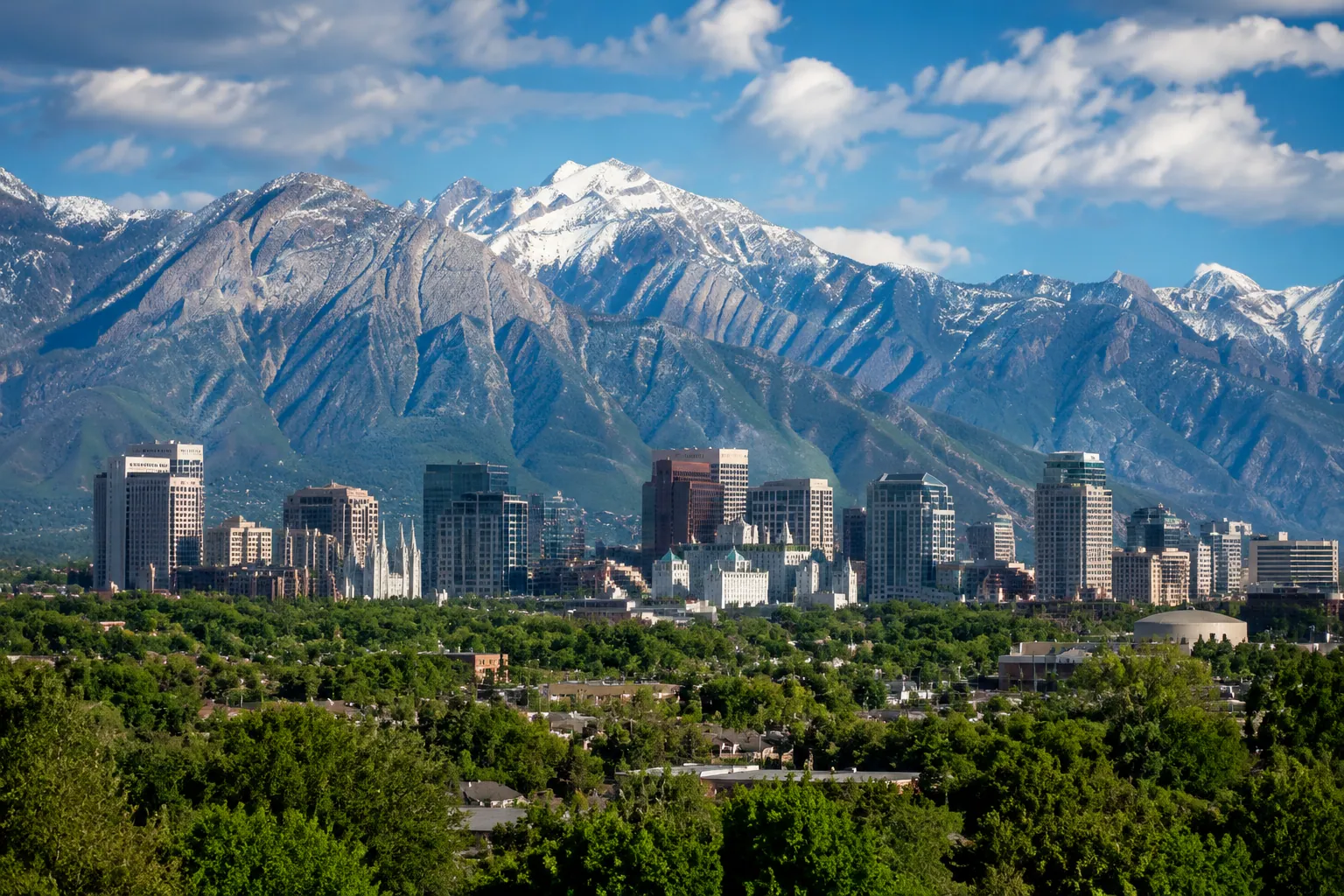
Salt Lake City sits in northern Utah, in a broad area known as the Salt Lake Valley. The city is close to the Great Salt Lake and rests near the base of the Wasatch Range, which is one reason its elevation is higher than many cities across the United States.
The geography is easy to picture: Salt Lake City is on the valley floor, while the nearby ski resorts, canyons, and hiking areas climb into the mountains. This means you can be walking around the city at about 4,300 feet and then reach much higher elevations after a relatively short drive into the surrounding Utah mountains.
The landscape also has an interesting natural history. Salt Lake City sits near benches formed by ancient Lake Bonneville, a large prehistoric lake that once covered much of the region. These benches and foothills help explain why elevation can change across different parts of the city and surrounding neighborhoods.
For families, this matters because the city itself may feel comfortable, but mountain areas can feel noticeably different. A stroller walk in downtown Salt Lake City is not the same as spending the day at a ski resort, driving through a canyon, or hiking at higher elevation. In simple terms, city equals valley floor, while ski resorts and mountain trails equal mountain elevation.
Is Salt Lake City High Altitude Compared With Other Cities?
Salt Lake City is best described as a high-elevation city, but not an extreme-altitude destination. At around 4,265 to 4,330 feet above sea level, it sits much higher than many U.S. cities near the coast or at sea level. However, it is still lower than Denver, which is famously known as the “Mile High City” because it sits at about one mile above sea level.
When comparing Salt Lake City vs Denver, Denver is higher, but Salt Lake City can still feel noticeably different for visitors who are not used to high elevation travel. The air may feel drier, the sun can feel stronger, and outdoor activity may feel slightly more tiring than expected. This is especially true for families arriving from lower-elevation places.
Nearby Utah ski resorts and mountain areas are much higher than the city itself. So while the Utah elevation in Salt Lake City is already significant, the elevation can rise quickly when families drive into the canyons, ski areas, or mountain trails. That is why some visitors feel fine in the city but notice a bigger change during mountain day trips.
For parents, the main takeaway is simple: Salt Lake City is high enough to prepare for, but not high enough to panic about. Families coming from sea-level locations may notice dryness, thirst, mild fatigue, or slight sleep changes during the first day or two. Babies and toddlers may need extra attention to fluids, naps, sunscreen, and comfort, especially during stroller walks, outdoor sightseeing, or longer drives into the mountains.
Can Salt Lake City’s Altitude Affect New Parents, Babies, or Children?
Most healthy children tolerate Salt Lake City’s city elevation well, especially when families keep the first day relaxed and pay attention to hydration, rest, and sun protection. Still, because the city sits more than 4,000 feet above sea level, some families may notice small changes after arriving, especially if they are coming from a lower-elevation area.
For parents, the effects are usually mild. Babies, toddlers, and older children may experience drier skin or lips, more thirst, slight sleep disruption, or faster fatigue during walks. The sun may also feel stronger than expected, even when the weather is cool. This can matter during stroller walks, playground visits, outdoor meals, or family sightseeing around the city.
When thinking about a baby at high altitude or planning toddler altitude travel, it helps to focus on comfort rather than worry. Offer fluids as appropriate for your child’s age, use baby-safe sun protection, keep lips and skin moisturized, and allow extra time for naps or quiet breaks. These simple new parents travel tips can make a family trip feel much easier.
Parents should be more cautious if they are traveling with a newborn, a premature baby, or a child with heart or lung concerns. For babies with medical conditions, parents should speak with a pediatrician before traveling to higher elevations. This kind of pediatrician advice is especially important if the trip includes mountain drives, ski resorts, or overnight stays at elevations much higher than Salt Lake City.
Overall, children and elevation usually mix well in Salt Lake City when families plan thoughtfully. A little attention to hydration, sleep, skin care, and family safety can help parents enjoy the city without turning altitude into a major concern.
Altitude Sickness in Salt Lake City: What Families Should Know
Altitude sickness is the body’s reaction to lower oxygen levels at higher elevation. As altitude rises, the air becomes thinner, which means each breath contains less oxygen than it would at sea level. This is why some people feel different when they travel from a low-elevation area to a mountain city or ski destination.
In Salt Lake City itself, serious altitude sickness is not common for most healthy visitors because the city sits around 4,265 to 4,330 feet above sea level. However, mild symptoms can still happen in sensitive people, especially after flying in, walking more than usual, not drinking enough water, or heading quickly into higher mountain areas. Altitude sickness, also called acute mountain sickness, is more common around 8,000 feet or higher, though symptoms may happen lower in some people with health concerns. The CDC lists common altitude illness symptoms such as headache, tiredness, nausea, vomiting, and fussiness in young children who cannot yet explain how they feel.
Mild symptoms of altitude sickness in Salt Lake City or nearby higher areas may include:
- Headache at altitude
- Nausea
- Dizziness
- Unusual tiredness
- Trouble sleeping
- Shortness of breath with activity
For families, the biggest difference often comes when leaving the city for nearby canyons, ski resorts, or mountain trails. Salt Lake City is lower than many Utah ski areas, but day trips can take parents, babies, and children much higher in a short time. A child may feel fine downtown but become more tired, fussy, or uncomfortable during a mountain outing.
Parents should watch for symptoms that seem stronger than normal travel fatigue. For babies and toddlers who cannot describe a headache, signs may include unusual fussiness, poor feeding, unusual sleepiness, vomiting, or trouble settling. If symptoms get worse, or if anyone has breathing problems, confusion, severe weakness, chest tightness, or trouble walking normally, seek medical help right away. The safest step with worsening altitude symptoms is to stop going higher and move to a lower elevation when needed.
City Elevation vs Nearby Ski Resorts and Mountain Areas
Salt Lake City is often the starting point for a much higher-elevation Utah trip. The city itself sits at about 4,330 feet above sea level, but many nearby canyons, hiking areas, and Utah ski resorts climb much higher in a short distance. That quick change is one reason families may feel comfortable in the city but notice altitude effects after heading into the mountains.
A simple comparison helps show the difference:
| Location | Approximate Elevation |
| Salt Lake City | 4,330 feet |
| Snowbird Base | 8,100 feet |
| Hidden Peak | 11,000 feet |
This matters because mountain altitude can affect the body more than city elevation. A parent may feel normal walking around downtown Salt Lake City, then feel a headache, fatigue, or shortness of breath after spending several hours at a ski resort. Children may also become tired, fussy, thirsty, or less interested in eating when they go much higher than the city.
For families planning a ski vacation with kids, it helps to build in a gentle first day. Spending a night in Salt Lake City before heading higher into the mountains can give the body more time to adjust. This is especially helpful if your trip includes places near Snowbird elevation, Alta elevation, or other higher resort areas.
The main idea is simple: Salt Lake City is high, but many nearby mountain destinations are much higher. If your family is flying in from a lower-elevation area, start slowly, drink plenty of water, protect children from the sun, and avoid packing the first day with strenuous mountain activities.
Practical Altitude Tips for Parents Visiting Salt Lake City
A family trip to Salt Lake City can be very comfortable with a little planning. The city’s elevation is usually manageable for healthy visitors, but the combination of dry air, stronger sun, and nearby mountain access can affect parents, babies, and children in small ways. These simple altitude tips for families can help make the first few days smoother.
If you are flying in, keep the first day light. Instead of planning a long hike, ski day, or packed sightseeing schedule right away, choose gentle activities such as a short walk, an easy meal, or a relaxed visit to a nearby park. This gives everyone time for basic acclimatization, especially children who may not explain how they feel.
Hydration is one of the most helpful steps. Offer children water often, and remind older kids to drink before they feel thirsty. For babies, follow normal feeding guidance based on age, and speak with a pediatrician if you have concerns about feeding or fluids during travel.
Because the air can be dry, pack lip balm, moisturizer, and any skin-care items your child already uses. Babies and toddlers may get dry lips, cheeks, or hands more easily than adults. This is especially common in cooler months, windy weather, or after spending time outdoors.
Sun protection also matters when visiting Salt Lake City with kids. Use sunscreen as appropriate for your child’s age, add hats or stroller shades, and plan stroller walks in shaded areas during hot months. The sun can still be strong even when the temperature feels mild.
Try not to schedule a big mountain hike or ski day immediately after arrival. Higher destinations around Salt Lake City can rise well above the city’s elevation, so it is better to give your family time to adjust before heading into the mountains. If possible, start with easier activities in the city before planning a full mountain day.
Parents should also watch babies and toddlers for signs that seem unusual, such as extra fussiness, poor feeding, unusual sleepiness, vomiting, or breathing changes. These signs do not always mean altitude is the cause, but they are worth taking seriously during high elevation travel.
For better family travel safety, build in rest breaks during downtown sightseeing, zoo visits, stroller walks, canyon drives, or any outing that includes more walking than usual. A slower pace often makes the trip easier for everyone and helps parents enjoy Salt Lake City without feeling rushed.
Does Salt Lake City’s Altitude Change the Weather, Air, and Sun Exposure?
Salt Lake City’s altitude can affect how the weather, air, and sunlight feel during a family visit. The city has a high desert climate, so the air is often dry, the sun can feel stronger, and temperatures may change more than some visitors expect between morning, afternoon, and evening.
At higher elevation, UV exposure can be stronger than it feels. This means families may need sun protection even on cool or mild days. Parents should use sunscreen when appropriate, add hats, bring stroller shade, and avoid long stretches of direct sun with babies and toddlers, especially during warmer months.
The dry air is another thing many visitors notice. It can lead to more thirst, dry skin, chapped lips, and mild dehydration if families are not drinking enough water. Babies and young children may also seem less comfortable if their skin or lips become dry. Packing lip balm, moisturizer, refillable water bottles, and light layers can make outings easier.
Salt Lake City weather can also shift during the day. A morning may feel cool, while the afternoon sun feels warm, and evenings can cool down again. For parents, this means layers are helpful, especially for stroller walks, playground visits, canyon drives, or outdoor sightseeing.
Air quality is another important factor. Because Salt Lake City sits in a valley surrounded by mountains, winter inversion can sometimes trap pollution close to the ground. This can affect air quality, especially during colder months. Parents should check the local air quality before outdoor activities if they are traveling with babies, young children, or kids who have asthma, allergies, or breathing sensitivity.
Overall, Salt Lake City’s mountain climate, altitude, dry air, and valley geography all shape the visitor experience. Families do not need to avoid outdoor activities, but a little preparation can help children stay more comfortable in the city’s high-elevation environment.
Best Family Activities to Plan Around Salt Lake City’s Elevation
When visiting Salt Lake City with children, it helps to plan activities in a gentle order. Since the city already sits at a higher elevation, families may feel better starting with lower-effort city activities before heading into the mountains. This gives parents, babies, and toddlers time to adjust to the dry air, stronger sun, and change in altitude.
Good first-day family activities in Salt Lake City can include easy downtown walks, quiet parks, museums, or relaxed Temple Square area sightseeing. These options allow families to enjoy the city without too much physical effort. They are also easier to manage with strollers, diaper bags, snacks, and nap schedules.
For a simple Salt Lake City travel guide approach, think of the first day as a comfort day. Visit a park, take a short walk, enjoy indoor attractions, or choose a scenic viewpoint that does not require a long hike. If your family wants to see the Great Salt Lake, plan a calm visit to a viewpoint rather than a long outdoor adventure right after arriving.
After everyone has rested, families can slowly add more outdoor activities. Short canyon drives, shaded picnic areas, and easy hikes can be good choices before attempting more strenuous trails. If your Utah family vacation includes ski resorts, high mountain lakes, or longer hikes, it is usually better to save those for later in the trip.
Parents should remember that toddlers may tire faster at elevation, even during outings that seem easy. A short walk, museum visit, or sightseeing stop can feel bigger to a young child when combined with travel, dry air, sun exposure, and a different sleep routine. For smoother sightseeing with kids, plan breaks, bring water, pack snacks, use sun protection, and keep the schedule flexible.
Conclusion: What Altitude Is Salt Lake City and Why It Matters for Families
So, what altitude is Salt Lake City? The city sits at about 4,265 to 4,330 feet above sea level, depending on the exact source and location being measured. That makes Salt Lake City a high-elevation city, but still much lower than many nearby mountain areas and ski resorts.
For families, this elevation is worth understanding because it can affect small parts of the trip. Visitors arriving from sea level may notice dry air, stronger sun, more thirst, chapped lips, mild fatigue, or slight sleep changes during the first day or two. These effects are usually manageable, but they can feel more noticeable when traveling with babies, toddlers, or young children.
The most important takeaway is that Salt Lake City sits in a mountain valley, while nearby ski resorts, canyons, and hiking areas rise much higher. A family may feel perfectly fine in the city but notice more altitude-related tiredness after driving into the mountains. That is why it helps to plan gradually instead of scheduling a strenuous hike or ski day right after arrival.
Most families do well in Salt Lake City with simple steps like drinking enough water, using sunscreen, keeping skin moisturized, taking rest breaks, and allowing time to adjust before higher-elevation activities. Parents should be more cautious with newborns, premature babies, or children with heart, lung, or breathing concerns, and they should ask a pediatrician for advice before traveling to higher elevations.
Salt Lake City is very family-friendly, and a little altitude awareness can make the trip smoother, safer, and more comfortable for everyone.
FAQs
Is Salt Lake City considered high altitude?
Yes, Salt Lake City is considered a high-elevation city, but it is not usually described as extreme altitude. The city sits at around 4,265 to 4,330 feet above sea level, which is much higher than many sea-level cities.
For families, this means the air may feel a little drier and thinner, especially during the first day after arrival. Most healthy visitors adjust well, but parents should still plan for hydration, sunscreen, and a slower pace when traveling with young children.
Can babies travel to Salt Lake City safely?
Most healthy babies can travel to Salt Lake City safely, especially when parents keep the schedule relaxed and pay attention to feeding, sleep, hydration, and comfort. The city elevation is high, but it is not as high as many nearby ski resorts or mountain towns.
Parents should ask a pediatrician before the trip if their baby was born premature, has a heart condition, has lung problems, or has any breathing concerns. This is especially important if the family plans to drive into higher mountain areas during the visit.
Will I get altitude sickness in Salt Lake City?
Some visitors may feel mild effects from the elevation, such as a headache, tiredness, thirst, or trouble sleeping. However, altitude sickness in Utah is more common at higher mountain elevations than in Salt Lake City itself.
Families are more likely to notice symptoms if they fly in from sea level and then quickly go to ski resorts, high canyon roads, or mountain trails. If symptoms become severe or include breathing problems, confusion, chest discomfort, or extreme weakness, it is important to seek medical help.
Is Salt Lake City higher than Denver?
No, Salt Lake City is not higher than Denver. Denver sits at about one mile above sea level, while Salt Lake City is around 4,265 to 4,330 feet above sea level.
Still, Salt Lake City is much higher than many coastal and sea-level cities. For parents comparing Salt Lake City elevation FAQ answers before a trip, the key point is that Salt Lake City is high enough to notice, but lower than Denver and much lower than many ski resort peaks.
Should families acclimate before going to Utah ski resorts?
Yes, families may benefit from spending time in Salt Lake City before going higher into the mountains. Salt Lake City can act as a helpful starting point because it is high enough for the body to begin adjusting, but lower than nearby ski resorts.
This is especially useful for families traveling with babies, toddlers, or children who are not used to mountain elevations. A relaxed first day in the city, followed by gradual activity, can make a ski trip or mountain outing feel more comfortable.
Disclaimer
This article is for general informational purposes only and is meant to help readers better understand Salt Lake City’s altitude and related family travel considerations. Individual experiences, health needs, travel comfort, and situations may vary. Parents should use personal judgment and consult a qualified professional when needed, especially for babies or children with medical concerns.