
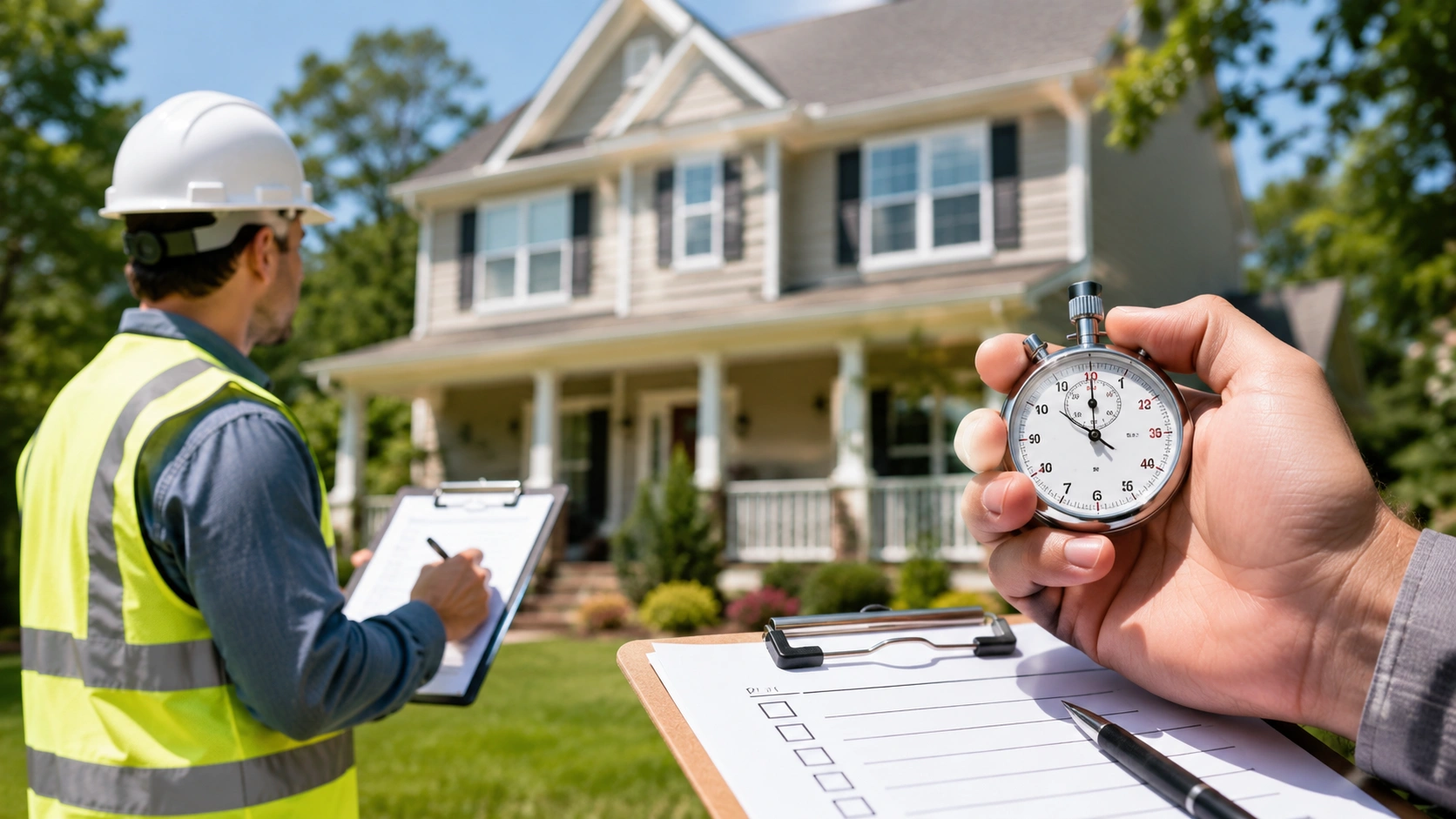
How long is a home inspection? In most cases, a standard home inspection takes about 2 to 4 hours, although smaller condos may take less time and larger or older homes can take longer. Buyers also need to think beyond the appointment itself, because the inspection report often arrives within 24 to 48 hours or up to about 2 days, and that report is what drives repair requests, price negotiations, or a decision to move forward.
That simple answer helps, but it does not tell the whole story. The real home inspection timeline depends on the property size, age of home, overall condition, and whether you add specialty inspections such as radon testing, a pest inspection, or a sewer scope inspection. If you are under contract, timing matters even more because the inspection is not just a box to check. It is part of your due diligence period, and the Consumer Financial Protection Bureau advises buyers to schedule it as soon as possible so there is time to resolve problems and complete extra inspections if needed.
In this guide, you will learn the average home inspection time, what makes one inspection quick and another much longer, how long it takes to get a home inspection report, what inspectors actually check, and what happens after the inspection if the report reveals major defects, minor issues, or safety concerns.
How Long Does a Home Inspection Take on Average?
For most buyers, the practical answer is this: a typical home inspection time is usually 2 to 4 hours. Redfin says most home inspections take 2 to 4 hours, while another Redfin resource says a standard inspection takes about 2 to 4 hours depending on the location, size, condition, and features of the home. The Spruce gives a similar range, noting that many average homes take two to three hours, and smaller homes or condos may be quicker.
Here is a simple way to think about it:
| Property type | Typical on-site inspection time |
|---|---|
| Small condo / compact home | About 90 minutes to 2 hours |
| Average single-family home | About 2 to 4 hours |
| Older or larger home | 4 hours or more |
| Home with added structures or specialty checks | Longer than standard |
This is why how long does a home inspection take for an average-sized home and how long does a typical home inspection take for a single-family home are such common long-tail searches. People want a reliable average, but they also want a timeline they can actually plan around.
A useful rule of thumb is to block off half a day, not just the exact inspection slot. That gives you room for arrival, a walk-through conversation with the home inspector, and time to ask questions about the foundation, roof, HVAC, plumbing, electrical systems, attic, or crawl space if anything stands out.
What Affects How Long a Home Inspection Takes?
The reason one inspection lasts 90 minutes and another runs 4 hours or more is simple: no two homes are exactly alike. The biggest factors influencing home inspection duration are property size, age, condition, access, and the overall scope of the inspection.
-
Property size and square footage
Larger homes naturally take longer because there is more to inspect. More rooms, more windows and doors, more exterior surfaces, more roof area, and more systems all increase the inspection time. The Spruce notes that homes larger than 2,000 square feet may take more time, and it even mentions that every additional 500 square feet can add roughly 30 minutes.
That makes home inspection duration by square footage an important concept for SEO and for real buyers. A 1,500 to 2,500 square foot home may fit comfortably inside the normal 2 to 4 hour window, while a 5,000 square foot property often takes longer.
-
Age of the home
Older homes usually take more time than newer homes. Why? Because older properties tend to have more wear, more repairs over the years, more areas where parts of the house may not match modern standards, and more chances of hidden problems. Even when the house is well cared for, the inspector often needs more time to document visible signs of age.
This is why searches like how long does a large or older home inspection take and home inspection for older homes matter. Buyers know older homes can come with roof wear, faulty wiring, water stains, aging furnaces, or long-term drainage problems.
-
Overall condition and maintenance
A well-maintained home is usually easier and faster to inspect than one in poor condition. If the inspector finds cracks, evidence of mold, pest issues, standing water, unsafe electrical panels, or major access problems, the process slows down because every concern must be checked and documented carefully.
-
Access to key areas
Some delays have nothing to do with the house itself and everything to do with access. If the attic, crawl space, garage, basement, water heater, or HVAC equipment is blocked, the inspector either loses time or cannot fully assess that area. If water, electricity, or gas are turned off, parts of the inspection may be incomplete.
This is one of the most overlooked gap topics on the SERP: what if utilities are off during a home inspection? In real life, that can slow the inspection and sometimes create the need for a return visit.
-
Specialty inspections
A general inspection may also lead to or be paired with specialty inspections, such as radon testing, a pest inspection, mold inspection, chimney inspection, or sewer scope inspection. These do not always happen inside the same time block, but they absolutely change the practical timeline from start to finish. Redfin specifically notes that added specialty inspections extend the overall process.
What Does a Home Inspector Check During Those Hours?
A lot of buyers ask what does a home inspector do during the inspection because they want to know why the process takes so long. The answer is that a qualified inspector is not just taking a quick look around. They are performing a visual examination of major visible and accessible systems and components of the property. CFPB says buyers should schedule the inspection early enough to identify major problems, and sources like PNC, Redfin, and The Spruce describe inspectors reviewing major components such as the foundation, roof, plumbing, electrical, and heating and cooling systems.
A typical inspection may include:
- Structure and exterior: foundation, roof, gutters, siding, decks, patios, driveway, and grading or drainage
- Interior: walls, ceilings, floors, windows, doors, visible leaks, stains, and signs of damage
- Systems: HVAC, furnace, air conditioner, water heater, plumbing systems, electrical systems, visible outlets or panels
- Safety items: smoke detectors, carbon monoxide detectors, and visible egress points
- Lower and upper access areas: basement, crawl space, and attic, if accessible
The key phrase here is visual examination. A home inspection is not the same as tearing open walls or guaranteeing that nothing is wrong. It is a professional review of visible condition and structural integrity indicators at the time of the inspection. That is why a report is valuable, but still only a snapshot.
How Long After the Inspection Do You Get the Report?
The appointment is only one part of the home inspection process. Another common question is how long does it take to get a home inspection report. Many buyers receive the report within 24 to 48 hours, and some inspectors deliver it within 24 hours. Rocket Mortgage says it usually takes up to 2 days afterward for the buyer to receive the report.
That means the full timeline often looks like this:
- Inspection appointment: usually 2 to 4 hours
- Report preparation: often within 24 to 48 hours
- Buyer review and decisions: usually starts as soon as the report arrives
- Possible next steps: repair requests, credits, more inspections, or renegotiation
If you are under contract, the report turnaround matters just as much as the inspection itself. You cannot effectively negotiate repairs or decide whether to move forward until you know what the inspector found. That is why inspection report turnaround and home inspection report delivery deserve a clear section in any good article.
How Long Is the Inspection Period When Buying a House?
This is where many people get confused. Sometimes when they ask how long is a home inspection, they do not really mean the appointment. They mean the broader inspection contingency timeline or due diligence period.
The CFPB recommends scheduling the home inspection as soon as possible so there is time to deal with problems and arrange additional inspections if needed. In many purchase contracts, buyers only have a short window to complete the inspection, review the report, and respond. One older but still widely cited explanation of the home inspection contingency describes that window as often around seven days, though contract terms vary by location and market.
So the smartest way to explain this to readers is:
- The home inspection itself usually lasts 2 to 4 hours
- The report often arrives in 24 to 48 hours
- The inspection period when buying a house may be only a few days to about a week, depending on the contract
That distinction is a major content gap on the current SERP. It is also one of the most practical pieces of information for buyers.
Should You Attend the Home Inspection?
In many cases, yes. Attending the inspection can help you understand the property better, hear the inspector’s comments in real time, and ask useful questions about the roof, foundation, HVAC, plumbing, electrical, or any visible red flags.
Attending may make the process a little longer if you ask many questions during the inspection, but it is often worth it. A 2026 AmeriSave inspection guide explicitly recommends that buyers attend because it lets them see issues firsthand and ask questions on the spot.
Good questions to ask during a home inspection include:
- Which issues are major defects and which are routine maintenance?
- Are there signs of active leaks, moisture, mold, or drainage problems?
- Do you recommend any specialty inspections?
- Which repairs should be handled before closing?
- Are any issues likely to affect safety or financing?
This section is a strong gap keyword opportunity because most competitors barely use it, even though readers clearly need it.
How to Prepare for a Home Inspection So It Goes Faster
A little preparation can make the inspection smoother and sometimes shorter. This is useful for both buyers and sellers.
Make sure the inspector can access all major areas of the home. That includes the attic, crawl space, basement, garage, electrical panels, water heater, and HVAC equipment. Keep water, electricity, and gas on if possible. Secure pets, unlock gates, clear storage away from access panels, and gather any maintenance records or repair invoices you want to share. Redfin also notes that access and preparation help the process run more efficiently.
This is also where a short seller-focused checklist helps:
| Before the inspection | Why it matters |
|---|---|
| Turn on utilities | Lets the inspector test systems |
| Clear access to attic, crawl space, HVAC, and panels | Prevents delays |
| Unlock doors, gates, sheds, and garages | Speeds up movement through the property |
| Secure pets | Reduces interruptions |
| Leave manuals or maintenance records if available | Gives context for repairs and upkeep |
A well-prepared home will not hide serious issues, but it can reduce unnecessary delays.
What Happens After a Home Inspection?
Once the report arrives, the buyer usually reads through the findings and decides what to do next. This is where the inspection becomes part of the bigger real estate transaction.
A home inspection report may reveal minor issues, ordinary wear, maintenance recommendations, or more serious concerns such as safety hazards, structural integrity problems, major water intrusion, or failing systems. Depending on the results and the contract, buyers may:
- move forward as planned
- ask for repairs
- request a credit
- try to reduce the home price
- order more inspections
- walk away if the contract allows it
Several buyer-focused sources frame the report as the basis for renegotiation. Better says documented issues in an official report can support repair requests or price reductions, and Inspectify explains that buyers may use defects as leverage or decide whether they still trust the property as a good investment.
This is why what happens after a home inspection report is delivered is not just a follow-up question. It is part of the original search intent.
How Long Is a Home Inspection Report Good For?
Another useful adjacent question is how long is a home inspection report good for. The general idea from Inspectify and Angi is that buyers often treat a report as reasonably useful for about 90 days or roughly three months, but that is not a legal guarantee that conditions have not changed. The report reflects the home’s condition at the time of inspection. If the closing is delayed, severe weather hits, the seller damages something during move-out, or time passes, the home may need a reinspection.
This matters most when:
- closing is delayed
- the home sits vacant for a while
- major weather events happen
- repairs were promised and need verification
- the buyer wants extra confidence before closing
So, while home inspection validity is a real concern, the better question is not just whether the report is still “good.” It is whether the home is still in the same condition the report described.
Home Inspection vs Appraisal vs Final Walkthrough
Many first-time buyers mix these up, so this comparison section is worth including.
A home inspection checks the property’s visible condition and flags problems. A home appraisal estimates market value for the lender. Rocket Mortgage explains that an appraisal is about value, while the home inspection is about the property’s physical condition in detail. A final walkthrough happens near closing and is a last check that the home is in the expected condition and agreed repairs were completed.
Here is the simplest breakdown:
| Process | Main purpose | Who it helps most |
|---|---|---|
| Home inspection | Find condition issues and risks | Buyer |
| Appraisal | Estimate value for financing | Lender |
| Final walkthrough | Confirm condition before closing | Buyer |
This section improves topical authority because it answers a common confusion point that current competitors barely address.
Average Home Inspection Time by Property Type
Searchers often want a practical estimate based on the kind of property they are buying.
| Property type | Typical timing | Why |
|---|---|---|
| Condo | About 90 minutes to 2 hours | Smaller footprint, fewer exterior systems |
| Townhouse | About 2 to 3 hours | Moderate size and shared walls |
| Average single-family home | About 2 to 4 hours | Standard inspection scope |
| Older home | 4 hours or more | More wear, repairs, and problem points |
| Large home with extras | 4+ hours | Added square footage, systems, and features |
| Home with pool, guest house, or specialty tests | Longer than standard | More components and added inspections |
These ranges reflect the same patterns found across Redfin, The Spruce, and buyer guides: condos and smaller homes are usually quicker, while older homes, larger homes, and houses with extra structures or added testing take longer.
Case Study: Why One Buyer’s “Quick Inspection” Becomes a Full-Day Process
Imagine a buyer going under contract on a clean-looking single-family home built 30 years ago. They expect a 2 to 3 hour inspection. Once the home inspector arrives, however, several things change the timeline: the crawl space is hard to access, the electrical panel needs closer review, there are old water stains in the attic, and the inspector recommends a pest inspection and mold inspection.
The appointment stretches closer to 4 hours, the report arrives the next day, and the buyer now has to decide whether to request repairs, negotiate a credit, or schedule follow-up inspections before the end of the inspection contingency timeline.
That example is common, and it explains why the best answer to how long does a home inspection take from start to finish is not just the appointment length. It is the whole chain: inspection, report, decisions, and sometimes more inspections.
Final Thoughts
The best answer to how long is a home inspection is that most inspections take about 2 to 4 hours, with smaller properties sometimes finishing faster and older or larger homes taking longer. After that, buyers often wait 24 to 48 hours or up to about 2 days for the report, and then the real decision-making begins.
So if you are planning a purchase, do not just plan for the appointment. Plan for the full home inspection timeline. That means scheduling early, allowing time for the report, understanding your due diligence period, and being ready to act if the inspector identifies serious issues. A well-timed inspection gives you more than information. It gives you leverage, clarity, and a better chance of making a smart buying decision.
Disclaimer: This article is for general real estate and informational purposes only. Inspection timelines and results may vary based on property condition, location, and inspector practices. Always consult a licensed professional for accurate advice related to your situation.